Life
Redesign a room around what you already own
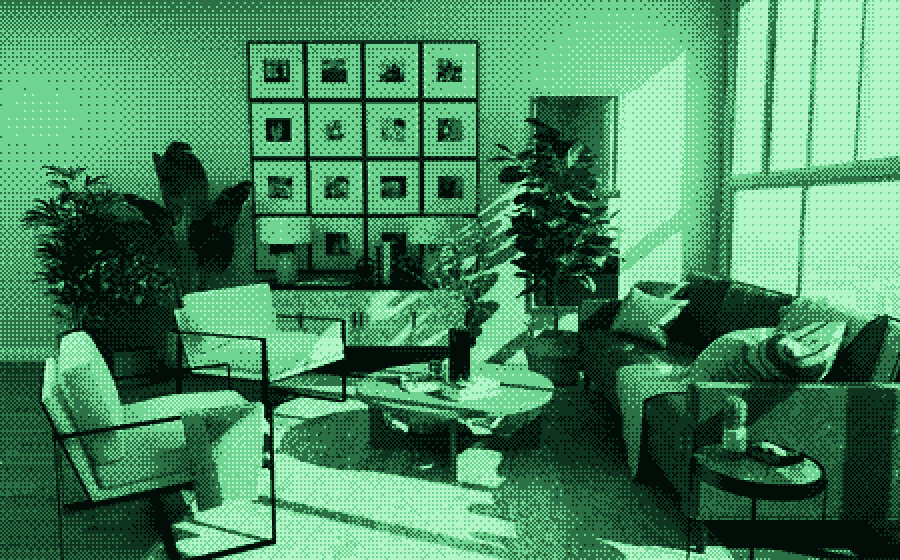
Use photos and measurements to propose distinct layouts that preserve the pieces you want to keep.
Room redesign brief
GET A USEFUL FIRST RESULT
For a room, list the pieces that must stay, doorways, dimensions, and what the space needs to do. For a household routine, list who owns each task and what counts as finished. Ask for two distinct options with explicit tradeoffs.
Treat a generated room image as a visual direction, not a measured plan. Check clearances yourself, and use the actual appliance manual for maintenance instructions.
Life / 15 IDEAS
Start with the room, cupboard, or household task you actually have. These ideas turn photos, measurements, manuals, and shared responsibilities into plans you can discuss and put to work.
THE POSSIBILITIES ARE OPEN.
Use photos and measurements to propose distinct layouts that preserve the pieces you want to keep.
Extract source-backed care tasks, intervals, and exceptions from your actual manuals.
Turn shelf dimensions and item photos into a practical storage allocation.
Organize packing, handoffs, account updates, and first-night essentials around move dates.
Convert a room-by-room photo set into a reviewable inventory with uncertain items flagged.
Break one frustrating area into concrete sorting passes, stopping rules, and donation piles.
Explore color families around your flooring, countertop, and lighting rather than an isolated swatch.
Organize household instructions, parking, equipment, and local essentials into a welcoming guide.
Organize dimensions, light observations, climate, and care preferences for plant research.
Turn recurring tasks and preferences into explicit ownership and acceptable completion standards.
Describe several coherent scope options and what each preserves, changes, and leaves unresolved.
Turn scattered care notes into a concise routine and escalation guide.
Use visible connectors and labels to build a cautious sorting guide without guessing electrical compatibility.
Adapt recurring household preparation to your property and local conditions.
Compare compact arrangements using real measurements, light, and pieces already available.